Feed Additives
Toxin Binders
Protect your herd from Mycotoxins
Mycotoxins are naturally occurring toxins produced by fungi in feed ingredients. Even at low levels, they can reduce feed efficiency, compromise immunity, and impact milk production and reproduction. Seasonal conditions and storage challenges can increase the risk of mycotoxin contamination.
Nutrinza toxin binders help protect your herd by binding mycotoxins in the digestive tract, reducing absorption, and supporting overall animal health and performance.
Why use a Toxin Binder?
Safeguard animal health by reducing the harmful effects of mycotoxins on gut health, immunity, and organ function.
Help to maintain milk production, growth rates, and feed conversion efficiency.
Help to mitigate impacts of seasonal or unexpected mycotoxin challenges.
Prevent performance losses that can cost far more than the binder itself.
Nutrinza Toxin Binder Options
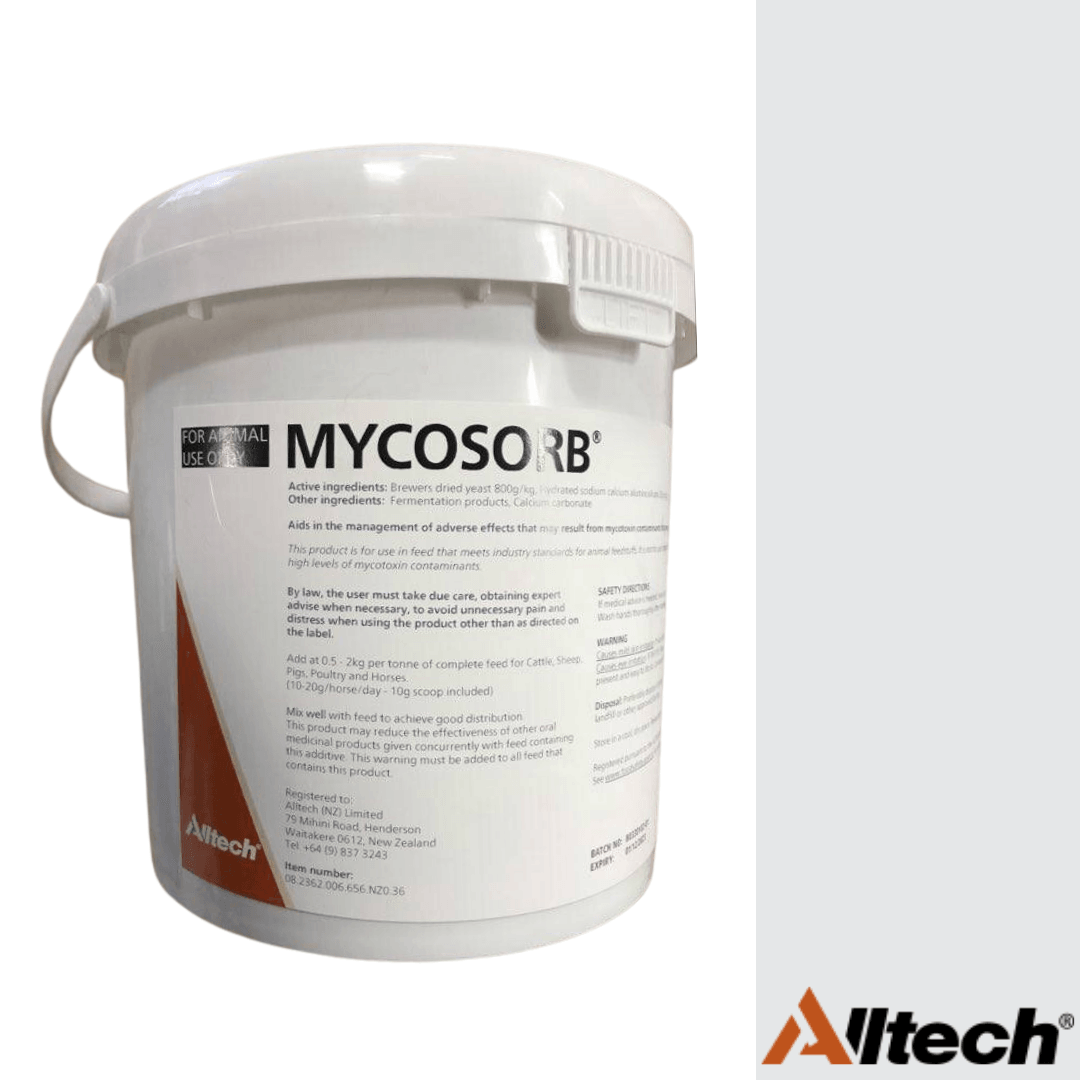
Mycosorb®
Alltech’s Mycosorb® is a leading organic binder derived from yeast cell wall extracts. It offers effective protection at lower inclusion rates and is supported by Alltech’s global expertise in mycotoxin management.
Key benefits
Wide-spectrum support against multiple mycotoxins
Supports gut health and immunity
Backed by extensive global research
Mycofix secure
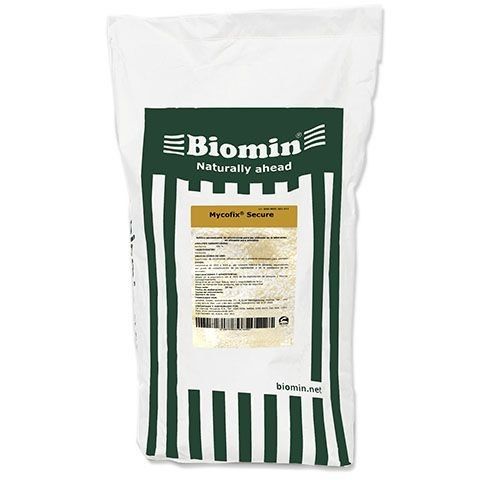
Mycofix is an inorganic toxin binder (bentonite clay-based).
Key benefits
Cost-effective solution
Ideal for low-toxin challenge situations
Recommended inclusion rate
5–15 g/cow/day
0.200% in blendss
Why Nutrinza?
Nutrinza partners with global leaders like Alltech to provide proven solutions backed by research and technical support. Our team can assist with toxin testing and interpretation to ensure your herd gets the right protection.
Want to find out more?
Protect your herd from mycotoxins with Nutrinza’s trusted toxin binder solutions.
Contact your local TSR or the Nutrinza sales team.
Cattle Feed Storage on Farm
As with any grain or meal feed products need to be kept dry as moisture combined with heat can cause fungi to grow. Common on farm storage methods are: in a shed or unused fertiliser bin; in a covered pit; on a concrete pad; or in a cutting, covered with plastic sheet and tyres. Most feed should be used reasonably expediently (within 40 - 50 days). The longer you plan to store feed products the better your storage facilities need to be.
P. 0508 768 723
PO Box 370,
Te Awamutu 3840
E. [email protected]
Disclaimer
All animal feed products should be fed as part of a healthy balanced diet matched to the specific requirements of the herd. Nutrinza makes no representations or warranties of any kind, express or implied, as to the suitability of any of the products supplied to the specific requirements of your animals. Please note that recommended feeding rates are given as a guideline only and will vary based on the total diet and actual feed intake of your animals. It is recommended that you consult your vet, nutritionist or farm consultant before making any dietary changes. Nutritional information is based on accredited feed nutrition sources and sample test results. Specifications on an individual feed test will show some variation.