Energy feeds
Tapioca
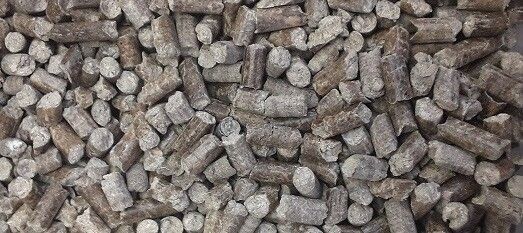
Tapioca is derived from the cassava root, a tropical crop grown for its high-energy starch content.
Feeding recommendations
Due to its high starch content and fine particle size before pelleting, tapioca must be fed carefully to avoid the risk of rumen acidosis.
Ad libitum feeding is not recommended. Instead, tapioca should be fed as part of a blended ration, typically at no more than 25% tapioca to 75% PKE or soya bean hulls, to help moderate intake and support rumen health.
When feeding in-shed where intake can be controlled, tapioca can be included at rates of up to:
2.5kg/cow/day in spring
2.0kg/cow/day in mid to late lactation
As with any high-starch feed, cows should be introduced gradually. A common approach is to start at 0.5kg per cow, per day, and increase in 0.5kg increments until the desired feeding level is reached.
DM | 88% |
ME (MJME/kg DM) | 12.5 |
Crude protein | 3% |
NDF | 12% |
Starch | 50-55% |
Nutritional benefits
Tapioca is a high-quality energy supplement that provides readily available energy to support milk production.
It is low in protein and is best used alongside other feeds to ensure a well-balanced diet.
Tapioca is also GM-free.
Want to find out more?
Contact your local TSR or the Nutrinza sales team.
Feed storage on farm
As with any grain or meal feed, products need to be kept dry, as moisture combined with heat can cause fungi to grow. Common on-farm storage methods are: in a shed or unused fertiliser bin; in a covered pit; on a concrete pad; or in a cutting, covered with a plastic sheet and tyres. Most feed should be used reasonably expediently (within 40 - 50 days). The longer you plan to store feed products, the better your storage facilities need to be.
P. 0508 768 723
PO Box 370,
Te Awamutu 3840
E. [email protected]
Disclaimer
All animal feed products should be fed as part of a healthy balanced diet matched to the specific requirements of the herd. Nutrinza makes no representations or warranties of any kind, express or implied, as to the suitability of any of the products supplied to the specific requirements of your animals. Please note that recommended feeding rates are given as a guideline only and will vary based on the total diet and actual feed intake of your animals. It is recommended that you consult your vet, nutritionist or farm consultant before making any dietary changes. Nutritional information is based on accredited feed nutrition sources and sample test results. Specifications on an individual feed test will show some variation.